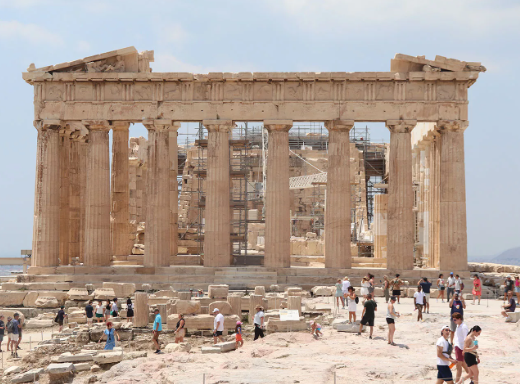
Athens, the cradle of Western civilization, is rich in history and culture, with ancient ruins that tell tales of its glorious past. From grand temples to impressive theaters, these archaeological sites are a must-visit for anyone seeking to connect with the heart of ancient Greece. Here are the top ancient ruins in Athens that you shouldn’t miss.
1. The Acropolis
The Acropolis is arguably the most iconic symbol of ancient Athens and a UNESCO World Heritage Site. Perched on a rocky outcrop above the city, it is home to some of the most celebrated monuments of classical antiquity. Its most famous structure, the Parthenon, was dedicated to the goddess Athena and stands as a testament to the architectural brilliance of ancient Greece.
Visiting the Acropolis is like stepping back in time. As you make your way up the pathway, you’ll encounter the Erechtheion, known for its elegant columns shaped like female figures—often referred to as the Caryatids, a distinctive example of classical Greek marble sculptures. These sculptural elements not only support the structure but also embody the artistic sophistication of the era.
Exploring these ruins offers valuable insight into the spiritual and political life of Athens during its Golden Age. Be sure to take your time, as the site also provides breathtaking panoramic views of the modern city below, creating a striking contrast between past and present.
-
- Wear comfortable shoes for walking on uneven paths.
-
- Visit early in the morning to avoid crowds.
-
- Bring water, as there are limited facilities.
-
- Consider a guided tour for in-depth historical context.
-
- Check for any archaeological events or exhibitions.
2. Ancient Agora
The Ancient Agora served as the heart of public life in Athens and was a bustling marketplace and gathering place. Here, you can explore the ruins of temples, stoas, and even the famed Thesion, which is a well-preserved temple dedicated to Hephaestus. The Agora illustrates daily life in Athens and highlights the importance of philosophy, democracy, and commerce in ancient times.
Don’t miss the chance to visit the Stoa of Attalos, which has been reconstructed and now houses the Agora Museum. This museum features a collection of ancient artifacts, providing deeper context to the site. Walking through the Agora, you can envision the philosophers and politicians who once engaged in vibrant discussions here.
-
- Take a self-guided audio tour to maximize your visit.
-
- Bring along a camera for stunning photographs.
-
- Check opening times as they may vary by season.
-
- Explore nearby museums for more artifacts.
3. Temple of Olympian Zeus
The Temple of Olympian Zeus, known in Greek as the Olympieion, is one of the largest temples of the ancient world. Although only 15 columns remain standing today, each towering over 17 meters, this grand site is a must-see for its sheer size and historical significance. It was dedicated to Zeus, the king of the gods, and took 638 years to complete, symbolizing the ambition and dedication of the ancient Athenians.
Adjacent to the temple, the surrounding areas are perfect for a leisurely stroll. You might also enjoy the nearby Hadrian’s Arch, which stands as a striking entryway to the ancient city. Be sure to check out the inscriptions on the arch, which signify the boundary between the old and new Athens.
-
- Bring a guidebook for historical insights.
-
- Visit during sunset for breathtaking views.
-
- Plan for ample time to explore the grounds.
-
- Don’t forget your hat; it can get quite hot!
4. Roman Agora
Don’t miss the Tower of the Winds, an ancient clock tower that demonstrates the engineering advancements of its time. The site reflects how the Romans integrated their culture into the existing Athenian framework. Walking through this Agora helps visitors appreciate the blend of Greek and Roman influences in the region.
- Look for the informative plaques for historical context.
- Spend time at the Tower of the Winds.
- Check for guided tours specifically focused on Roman influence.
- Visit in the early morning for a peaceful atmosphere.
5. The Theatre of Dionysus
As the birthplace of tragedy and comedy, the Theatre of Dionysus holds a special place in both the cultural and historical landscape of Athens. Located on the south slope of the Acropolis, this ancient theatre could originally seat around 17,000 spectators who came to watch performances in honor of Dionysus, the god of wine and festivity. The structure itself is a marvel, still evoking the grandeur of ancient theatrical performances.
Today, the theater is an open-air venue where you can imagine the likes of Sophocles and Euripides presenting their works to enraptured audiences. Visiting the site also provides an intimate look into how the ancient Athenians celebrated art and storytelling, which continue to influence modern theatre. It’s an inspiring site to contemplate the power of performance arts.
- Bring a blanket for a comfortable seating experience.
- Join a guided tour to learn more about its history.
- Attend a performance if available during your visit.
- Take your time to soak in the serene surroundings.
In conclusion, exploring the ancient ruins of Athens is an enriching experience that connects you to the city’s remarkable history and cultural heritage. With these top sites, you can appreciate the architectural grandeur and the stories they tell. So, pack your bags, set your itinerary, and prepare to step back in time! Whether you’re a history buff or a curious traveler, Athens has something to offer that will leave a lasting impression.