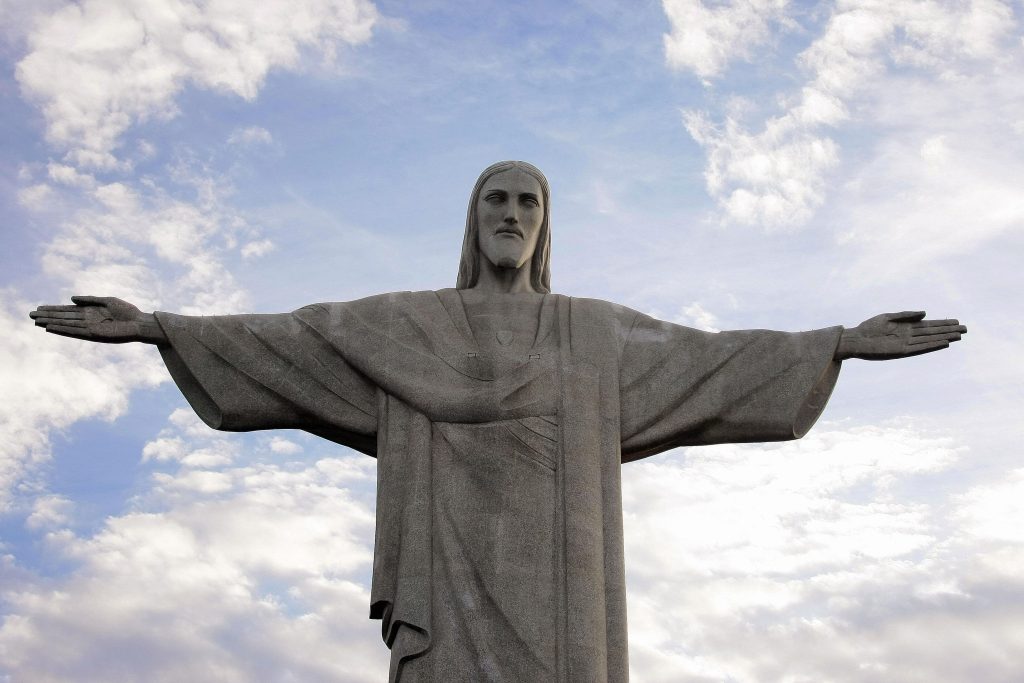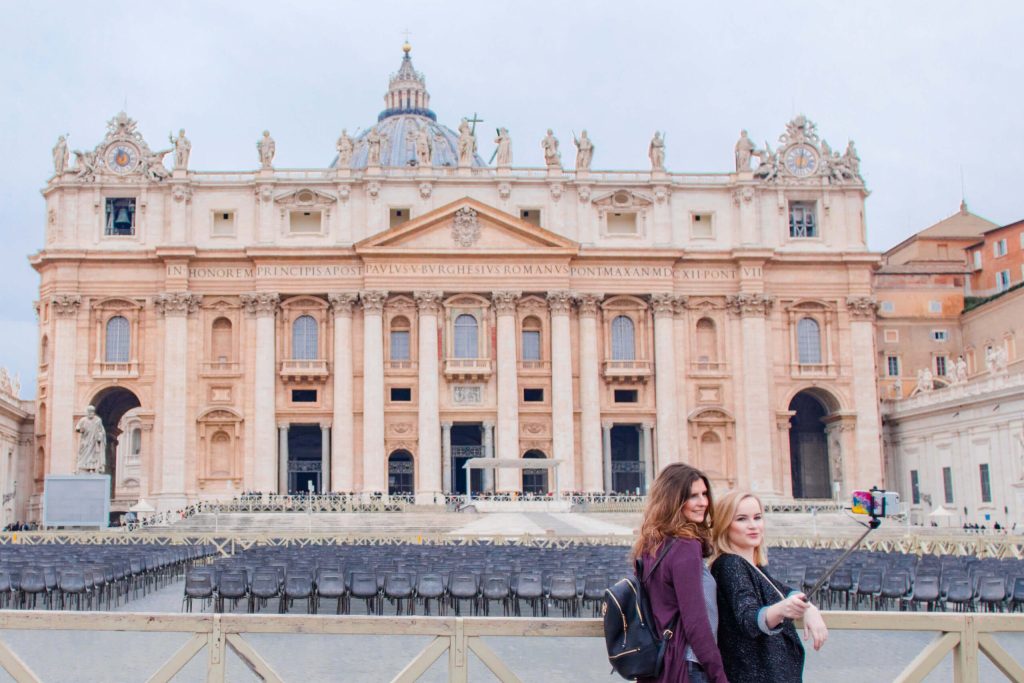
In recent years, faith-based tourism has gradually become a trend attracting global travelers. Compared to general sightseeing, faith-based tourism emphasizes spiritual experiences, cultural exploration, and engagement with religious history. Whether it’s an ancient Gothic cathedral in Europe or a tranquil monastery in Asia, what people seek on their journeys is often not just architectural beauty, but a journey of encountering faith.
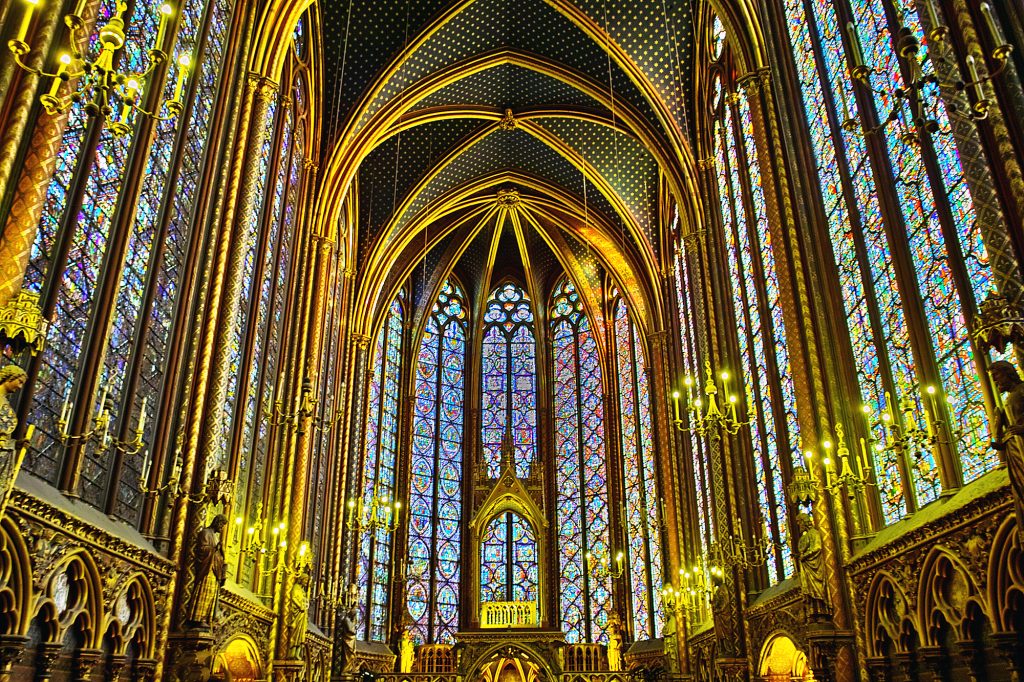
In many religious landmarks, the artistic decorations inside churches often deeply attract tourists’ attention. For example, intricately sculpted statues for church decoration not only adorn sacred spaces but also allow travelers to gain a deeper understanding of the local religious culture through the postures and theological symbolism of the statues. These statues, whether solemn, compassionate, or conveying salvation and hope, allow tourists to feel the depth of faith during their brief stay.
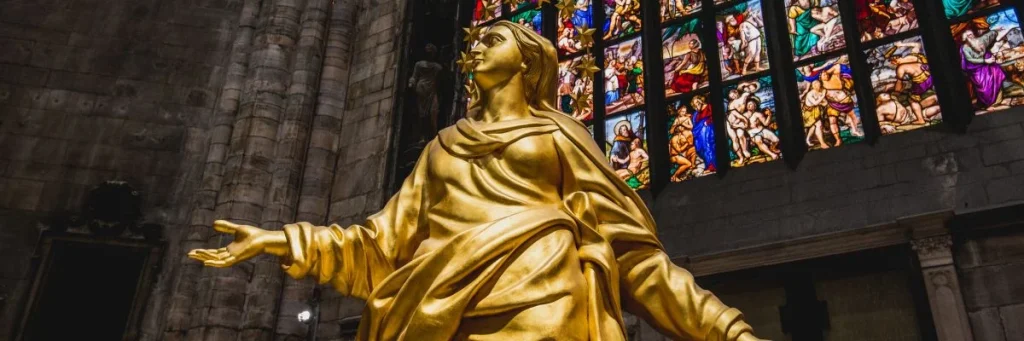
With the growth of faith-based tourism, more and more travelers are beginning to regard church visits as a highlight of their trip. They might pause to admire a magnificent cathedral or quietly contemplate a particular statue for church decoration. The journey is thus no longer just about moving, but becomes a process of spiritual reshaping.
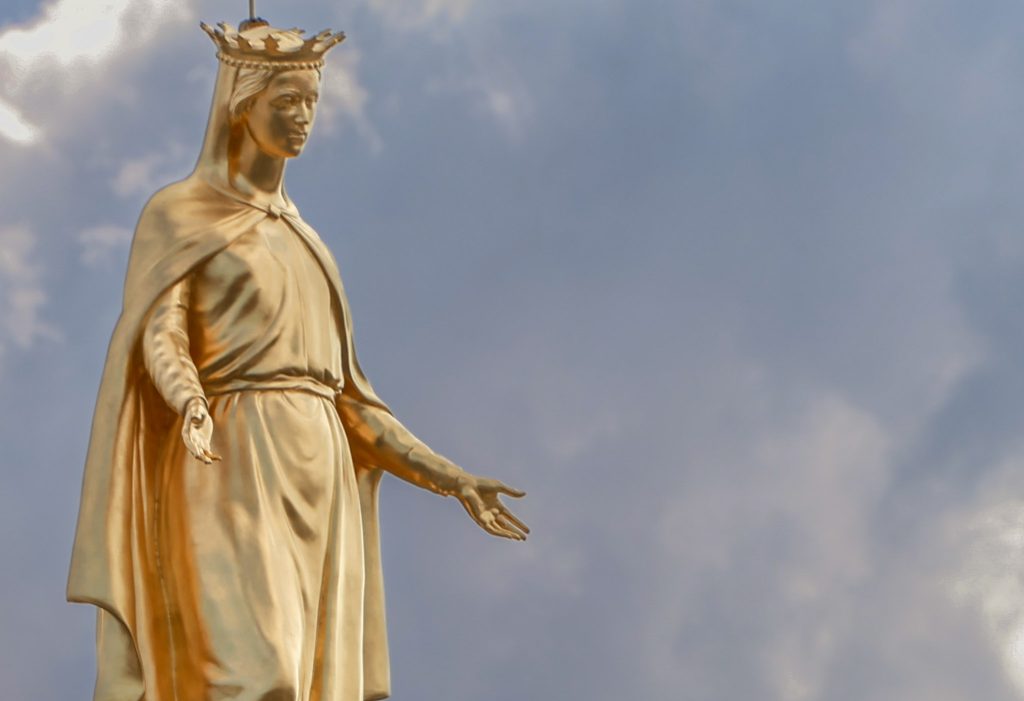
In today’s rapidly changing society, faith tourism offers an opportunity to slow down and reconnect with oneself. When tourists gaze at the dome, listen to the bells, and admire the statues in a foreign church, they often experience not only the allure of religious art but also the tranquility of a peaceful mind.