Traveling in Greece is not just a feast for the eyes but also a journey that can be tailored to fit various budgets. With a landscape rich in history, stunning islands, and delicious cuisine, understanding the costs associated with travel in Greece can enhance your experience and help you plan appropriately.
1. Transportation Costs
Transportation is an essential aspect of traveling in Greece, and costs can vary widely depending on your preferred mode. For instance, public transportation such as buses and trains are generally affordable, with tickets costing around €1.40 in Athens for a single ride. Alternatively, if you’re considering inter-island travel, ferries can cost anywhere from €20 to €70 based on the distance and speed of the vessel.
Moreover, if you’re looking for flexibility, renting a car might be a great option, with prices ranging from €30 to €70 per day. Don’t forget to factor in fuel costs, which can add another €1.80 per liter. Finally, taxis are another option, typically starting around €3 but expect to pay more at night or during unauthorized areas.
-
- Research public transport options before arriving.
-
- If island hopping, book ferry tickets in advance.
-
- Consider a car rental for remote destinations.
-
- Always confirm taxi fares before starting your journey.
2. Accommodation Expenses
The types of accommodations available in Greece can significantly affect your overall travel budget. From luxury hotels in Santorini costing upwards of €300 a night to hostels in Athens where you can snag a bed for as low as €10, the choices are diverse. For a unique experience, opt for a traditional guesthouse, which commonly ranges from €70 to €150 per night, often including breakfast.
It’s vital to book your accommodations ahead of time, especially during peak travel seasons, which typically run from June to September. Prices can skyrocket, and many options may be fully booked. Additionally, consider alternative lodging methods such as Airbnb, which can offer competitive rates, particularly for longer stays in local neighborhoods.
-
- Identify your budget range before searching for lodgings.
-
- Look for deals on accommodation booking websites.
-
- Don’t hesitate to book well in advance for peak seasons.
-
- Consider locations away from major tourist spots for better rates.
3. Food and Dining Costs
Food is one of the highlights of traveling in Greece, and it comes in a range of prices. Street food, like a gyros or souvlaki, averages around €3 to €5, making for a tasty yet affordable option. If you decide to dine in a mid-range restaurant, expect to pay about €15 to €30 per person for a full meal including drinks. However, fancy dining establishments may charge upwards of €50 per person, especially in tourist-heavy areas.
Local markets are also a great way to save money while tasting authentic Greek delicacies. Fresh fruits, olives, and cheeses can be found at reasonable prices. Consider eating at smaller tavernas where locals frequent, as this often leads to affordable and delicious meals in a cozy setting.
-
- Explore street food options for budget-friendly meals.
-
- Ask locals for restaurant recommendations.
-
- Take advantage of local markets for snacks and meals.
-
- Be mindful of tourist trap restaurants with inflated prices.
4. Activities and Attractions
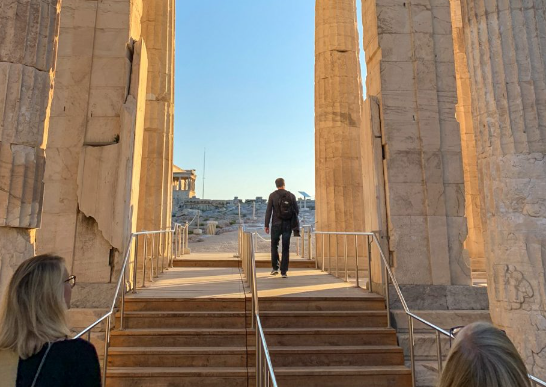
The cost of activities and attractions can add up while traveling in Greece, but there are plenty of options to choose from. Popular sites such as the Acropolis in Athens charge around €20 for entry, while many stunning beaches and natural parks are free to explore. Budgeting for these experiences can enhance your trip without breaking the bank.
Many cities also offer discounted or free entry on specific days or during certain times, so keep an eye out for those opportunities. Guided tours can vary widely in cost, with local group tours priced around €30 to €100 per person. Always look for reviews to ensure you get good value for your money.
-
- Check for free or discounted entry days at attractions.
-
- Consider purchasing a city pass for multiple attractions.
-
- Research online for best-rated guided tours in the area.
-
- Prioritize free natural sites such as beaches and hiking trails.
5. Budgeting for Souvenirs and Extras
When budgeting for your trip, don’t forget to account for souvenirs and miscellaneous expenses. Handmade crafts, jewelry, and local products can vary in price; budget around €5 to €50 depending on what you choose. Additionally, tipping is customary in Greece, generally around 10-15%, so keep this in mind for dining and service-related expenses.
It’s also important to account for other costs, such as travel insurance, which can range from €30 to €100 for the duration of your trip, depending on coverage. Always scout for extras before traveling to ensure you have a comfortable financial cushion for spontaneous activities or shopping!
-
- Set a specific budget for souvenirs before shopping.
-
- Research what types of items are popular in Greece.
-
- Factoring in tipping percentages ahead of time.
-
- Consider purchasing travel insurance for peace of mind.
Understanding the costs associated with traveling in Greece allows you to plan effectively and enjoy a memorable journey. Whether you’re exploring ancient ruins, feasting on local delicacies, or relaxing on beautiful beaches, each experience can fit your budget with thoughtful planning and wise choices. Start mapping out your Greek adventure today to ensure a fabulous trip ahead!