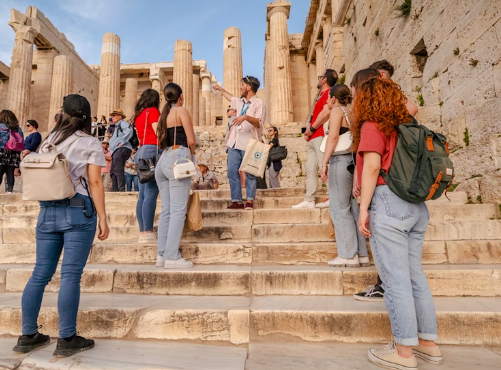
Exploring the rich history of Athens can be an unforgettable experience, especially when delving into its renowned museums. With countless artifacts and exhibits, each museum tells a story that is essential to understanding ancient and modern Greek culture.
1. The Acropolis Museum
The Acropolis Museum is a modern architectural marvel located at the foot of the Acropolis hill. Opened in 2009, the museum houses over 3,000 artifacts found on the Acropolis, showcasing the history and significance of the ancient site. The glass floors allow you to look down upon archaeological excavations, creating a unique connection to the past.
One of the museum’s highlights is the Parthenon Gallery, which is meticulously designed to resemble the Parthenon itself. Here, you can see the friezes, sculptures, and historical artifacts that have been expertly preserved, offering insights into ancient Athenian life and religious practices.
-
- Purchase your tickets online to avoid long queues.
-
- Visit in the early morning or late afternoon for a quieter experience.
-
- Consider hiring a guide for in-depth knowledge about the exhibits.
-
- Don’t miss the café on the top floor for stunning views of the Acropolis.
2. The National Archaeological Museum
The National Archaeological Museum is one of the largest and most significant museums in Greece, dedicated to ancient Greek art. With a collection that spans from prehistory to late antiquity, the museum houses masterpieces like the Mask of Agamemnon and the Venus of Milo. Each room offers insights into Greek civilization through artifacts like pottery, bronze statues, and intricate jewelry.
What sets this museum apart is its incredible diversity, featuring items from various regions of Greece. As you wander through its halls, you will encounter significant archaeological findings from sites like Mycenae and Olympia, deepening your understanding of ancient Greek society and its contributions to the world.
-
- Download the museum’s app for digital guides and translations.
-
- Plan to spend at least three hours to fully appreciate the collections.
-
- Check for temporary exhibitions before your visit for additional attractions.
-
- Take notes or a sketchbook; some exhibits inspire creativity and reflection.
3. Benaki Museum
The Benaki Museum is a treasure trove of Greek history and culture. Established in 1931, the museum showcases a collection ranging from ancient artifacts to contemporary art, making it a perfect blend of the old and the new. Visitors can appreciate various artistic styles and periods, all in one place.
The museum’s design enhances the visitor experience, with beautifully curated rooms that provide context and background for the exhibitions. Highlights include Byzantine art, folk art, and works from the Greek War of Independence. The museum also features a café and shop where you can unwind after exploring.
-
- Attend special events and workshops often held in the museum.
-
- Visit during weekdays for fewer crowds.
-
- Take advantage of free admission on certain days.
-
- Explore the outdoor spaces for a relaxing pause during your visit.
4. Museum of Cycladic Art
The Museum of Cycladic Art is dedicated to the ancient cultures of the Cycladic Islands, featuring a stunning collection of Cycladic figurines that date back to 3000 BC. These minimalist artworks are not only aesthetically pleasing but also encapsulate the essence of Cycladic life. The museum boasts a modern design, making the exhibits even more striking against their contemporary backdrop.
In addition to the Cycladic collection, the museum also hosts exhibitions on ancient Greek art and culture. Visitors will appreciate the blend of ancient artifacts alongside contemporary art, offering a fresh perspective on how the past influences modern creativity. The museum’s educational programs are also noteworthy, providing insights into art history and archaeology.
-
- Check the museum’s website for changing exhibitions before your visit.
-
- Consider joining a guided tour for deeper insights into the collections.
-
- Engage with the interactive displays, especially for younger visitors.
-
- Set aside time to visit the museum shop for unique souvenirs.
5. The Jewish Museum of Greece
The Jewish Museum of Greece offers a profound look at the Jewish community’s rich history and culture in Greece. The museum’s collection includes documents, photographs, books, and artifacts that illuminate the Jewish experience dating back to antiquity. Located in the Plaka neighborhood, it provides a unique perspective that is often overlooked in mainstream historical discourse.
Exhibit highlights include ceremonial objects, paintings, and textiles, all contributing to a comprehensive narrative about the Jewish presence in Greece. The museum also focuses on the impact of the Holocaust on the community, providing crucial insights into resilience and cultural identity.
-
- Allocate 1-2 hours for a thorough exploration of the exhibits.
-
- Attend guided tours for more detailed historical context.
-
- Engage with staff for any specific questions about the artifacts.
-
- Explore the nearby Plaka district for local dining options afterward.
In conclusion, Athens is a city that pulsates with history, and its museums serve as gateways to understanding its rich past. By planning your visits and taking advantage of the resources available, you can immerse yourself in the vibrant cultures that have shaped modern Greece. Prepare for a journey that will enrich your appreciation of this remarkable city!