Greek cuisine is a vibrant blend of flavors, ingredients, and traditions that reflects the country’s rich cultural history. For travelers, exploring Greece through its food is an essential experience that immerses you in the local way of life. This guide will help you navigate the culinary delights of Greece, ensuring your taste buds enjoy the adventure.
1. Essential Greek Dishes to Try
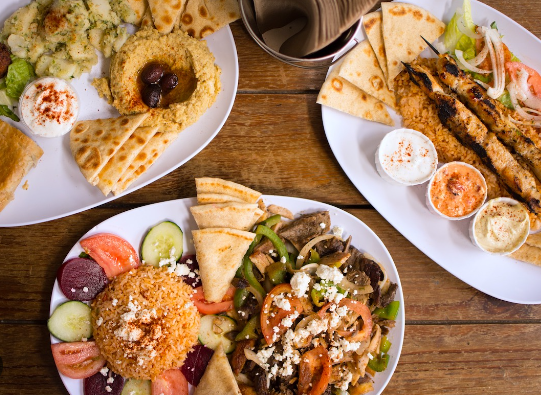
When visiting Greece, you must indulge in traditional dishes that showcase the country’s flavors. Start with Moussaka, a baked casserole layered with eggplant, minced meat, and béchamel sauce, which is a staple of Greek comfort food. Another must-try is Souvlaki, grilled skewers of marinated meat often served with pita bread and fresh vegetables, making for a satisfying street meal.
Don’t miss out on Dolmades, vine leaves stuffed with rice and herbs, often accompanied by a tangy lemon sauce. Another classic is the Greek salad, or Horiatiki, which combines juicy tomatoes, cucumbers, olives, feta cheese, and a drizzle of olive oil, offering a refreshing taste of the Mediterranean. Each dish tells a story of the region’s agricultural bounty and culinary traditions.
-
- Ask locals for their favorite dishes and restaurants.
-
- Try regional variations; dishes can differ from island to mainland.
-
- Don’t skip appetizer or mezze choices for a full experience.
-
- Pair your meals with local wines or ouzo for authenticity.
2. Best Regions for Food Lovers
Greece is divided into several regions, each offering unique culinary experiences. The Peloponnese is known for its rich olive oil production and wines, where you can visit local vineyards and olive groves to taste the excellence firsthand. Crete is another notable region, famous for its hearty dishes, including dakos, a barley rusk topped with tomatoes and cheese, which reflects its agricultural heritage.
In contrast, the Cyclades islands, particularly Santorini and Mykonos, offer fresh seafood and exquisite dining experiences with stunning sea views. The islands are also famous for their fava bean puree, a dish commonly found in local taverns. Exploring these regions provides a comprehensive overview of Greece’s diverse culinary landscape.
-
- Plan your itinerary around food festivals and local markets.
-
- Take a cooking class to learn regional specialties.
-
- Engage with locals to discover hidden culinary gems.
-
- Visit small family-run taverns for authentic meals.
3. Food Etiquette and Dining Tips
Understanding Greek dining etiquette will enhance your culinary experience. When invited to a meal, it’s customary to take a small gift, such as sweets or wine, as a gesture of gratitude. During the meal, you may notice that sharing dishes is integral to the Greek dining experience, so don’t hesitate to sample various offerings on the table.
Dining hours in Greece tend to differ significantly from other countries; lunch is usually served from 1 PM to 4 PM, while dinner begins later in the evening, around 9 PM. Be sure to make reservations at popular restaurants, especially during the tourist season, to secure a table and avoid disappointment.
-
- Always greet your hosts and express gratitude for the meal.
-
- Try everything on the table; sharing is a sign of friendship.
-
- Don’t rush; enjoy the meal and the company for a leisurely experience.
-
- Leave a small tip to show appreciation for good service.
4. Street Food and Local Markets
Street food is a delightful and affordable way to experience Greek cuisine. You can find vendors serving delicious Tyropitakia (cheese pies) and Spanakopita (spinach pies) throughout the streets, especially in tourist areas and local markets. These savory pastries are perfect for a quick snack while exploring the city.
Additionally, visiting a local market is a fantastic opportunity to experience the vibrant atmosphere of Greek culinary culture. Markets like the Varvakios Agora in Athens offer fresh produce, meats, and seafood, as well as a variety of spices and herbs. Don’t forget to sample some local cheeses or olives before making your purchases!
-
- Try food from street vendors for an authentic experience.
-
- Visit markets early in the day for the best selection of fresh produce.
-
- Sample items before purchasing to ensure quality and flavor.
-
- Negotiate prices in markets; it’s often expected.
Greek food is not just about sustenance; it’s a cultural journey filled with history, flavor, and warmth. By diving deep into the culinary offerings of Greece, you will not only satisfy your palate but also create unforgettable memories during your travels. Take the time to explore, taste, and savor everything this incredible country has to offer!