Krka National Park is a breathtaking gem located in Croatia, known for its stunning waterfalls, diverse ecosystems, and rich historical background. This travel guide will help you navigate the park and make the most of your trip, whether you’re an adventurer, a nature lover, or simply looking for a peaceful retreat.
1. Getting to Krka National Park
Krka National Park is easily accessible and is located approximately 10 kilometers from the historic town of Šibenik. If you’re traveling from nearby cities, such as Split or Zadar, consider using public transportation like buses or a rental car for added convenience. The park features several entrances, with the most popular being Skradin and Lozovac, each offering its own unique experiences.
For those arriving by car, the main roads leading to the park are well-marked and scenic. However, parking can fill up quickly during peak season (June to September), so arriving early in the morning is advisable to secure a spot. Additionally, public transport options offer a hassle-free way to reach the park, with direct buses running frequently from major cities.
-
- Plan your route ahead of time using GPS or maps.
-
- Consider purchasing bus tickets online for convenience.
-
- Arrive early to avoid parking issues in busy seasons.
-
- Wear comfortable shoes for walking.
2. Exploring the Waterfalls
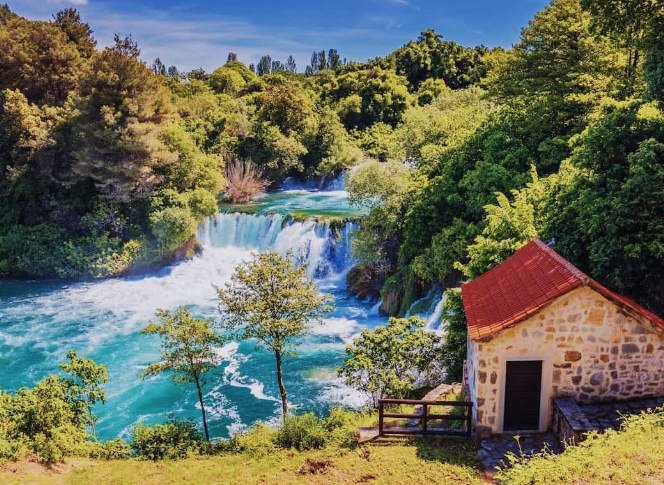
The iconic Krka Waterfalls are the main attraction of Krka National Park and are a must-see for any visitor. The park boasts several waterfalls, with Skradinski Buk being the most renowned. This waterfall features cascading falls over travertine barriers and offers various walking paths and viewpoints for photography. Don’t miss the chance to swim in the clear waters at designated swimming areas, especially during the hot summer months.
In addition to Skradinski Buk, the park includes the lesser-known but equally enchanting Roski Slap. Visitors often enjoy quiet contemplation surrounded by nature, and there are boat rides available for those wishing to explore the waterways further. Each season unveils a different charm, from vibrant blossoms in spring to the fiery colors of autumn.
-
- Bring a swimsuit if you plan to swim at Skradinski Buk.
-
- Arrive early to beat the crowds at popular spots.
-
- Check for guided tours to learn about the area’s flora and fauna.
-
- Bring a camera for stunning photographs.
3. Discovering Flora and Fauna
Krka National Park is home to an impressive variety of wildlife, including over 200 bird species and diverse plant life. The park’s ecosystem consists of river habitats, wetlands, and lush forests, making it a paradise for nature enthusiasts and bird watchers. Keep an eye out for species such as the golden eagle and the peregrine falcon, along with numerous freshwater fish that inhabit the park’s waters.
Moreover, the botanical diversity at Krka adds to its allure. Visitors can explore walking trails that guide them through forests of oak, ash, and various Mediterranean shrubs. Engaging with the natural environment helps visitors understand the importance of conservation in preserving these unique ecosystems for future generations.
-
- Bring binoculars for bird watching.
-
- Join guided nature tours for in-depth knowledge.
-
- Practice responsible wildlife observation – don’t feed or disturb animals.
-
- Take notes or photos of interesting plants and wildlife.
4. Exploring Historical Sites
A visit to Krka National Park isn’t complete without exploring its rich historical sites. The park is dotted with ancient monasteries, such as the stunning Visovac Monastery, built on an island in the Krka River. Visitors can take a boat to the island and explore the monastery’s galleries, which showcase invaluable artifacts and historical manuscripts.
Additionally, the remnants of the 19th-century hydroelectric power plant can be found near Skradinski Buk. This site not only highlights the engineering feats of the past but also provides insight into the development of electricity in the region. Walking through these historical sites adds a cultural dimension to the beautiful natural surroundings.
-
- Allocate time for a guided tour of Visovac Monastery.
-
- Check ahead for visiting hours of historical sites.
-
- Learn about local history – books and pamphlets can be helpful.
-
- Respect the sanctity of religious sites while visiting.
5. Tips for an Enjoyable Visit
To ensure you have the best experience at Krka National Park, it’s essential to come prepared. The climate can vary, so checking weather conditions ahead of time will help you dress appropriately. Comfortable footwear is a must, as exploring the park often involves walking on unpaved paths and climbing stairs near the waterfalls.
Make sure to stay hydrated and bring snacks, especially if you plan to spend the entire day exploring. The park has designated picnic areas, allowing you to enjoy a meal surrounded by stunning views. Also, consider visiting during the early morning or late afternoon to escape the crowds and experience the park in a more serene atmosphere.
-
- Pack a refillable water bottle to stay hydrated.
-
- Catering your visit to off-peak hours can enhance your experience.
-
- Check for guided tours if you prefer a structured visit.
-
- Leave no trace – take your trash with you.
In conclusion, Krka National Park offers an unforgettable experience filled with natural beauty, wildlife, and rich historical significance. Whether you’re swimming under waterfalls, observing birds in their natural habitat, or exploring ancient sites, there’s something for everyone to enjoy. Plan your visit today, and immerse yourself in the stunning landscapes and vibrant culture of Croatia!