Crete, the largest of the Greek islands, is rich in history and culture. From ancient ruins to stunning architecture, this Mediterranean paradise is home to numerous historical sites that tell the story of civilization as we know it today.
1. The Palace of Knossos
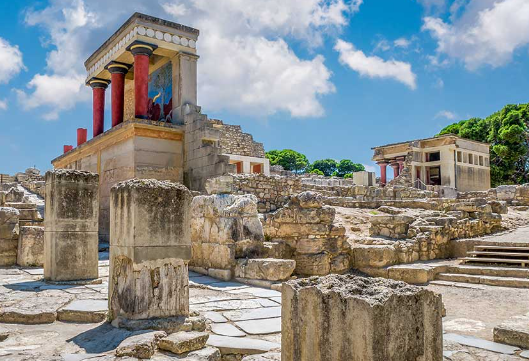
The Palace of Knossos is one of the most significant archaeological sites on Crete, often referred to as the heart of the Minoan civilization. Dating back to around 1900 BC, this sprawling palace complex features intricate frescoes, grand staircases, and multiple rooms that hint at the sophistication of its time. Visitors can explore the ruins and learn about the myths surrounding King Minos and the legendary Minotaur, making it a must-see for history buffs.
When visiting, you’ll notice the advanced architectural features such as drainage systems and light wells that demonstrate the ingenuity of ancient Cretan civilization. Guided tours are available, providing deeper insights into the history of the site and its importance within the context of Ancient Greece. Be prepared to spend a few hours wandering through the ruins, as there’s much to learn and see.
-
- Wear comfortable walking shoes.
-
- Visit early in the morning or late in the afternoon to avoid crowds.
-
- Bring a camera to capture the stunning frescoes.
-
- Consider a guided tour for in-depth knowledge.
-
- Check opening hours in advance to plan your visit.
2. The Archaeological Museum of Heraklion
Located in the capital city, Heraklion, the Archaeological Museum houses one of the most significant collections of Minoan artifacts in the world. Its extensive collection includes sculptures, pottery, and jewelry that offer a glimpse into the artistic achievements and everyday life of the Minoan people. The museum is divided into several sections, making it easy to navigate and see the most important pieces.
During your visit, take the time to explore the museum’s exhibits that include the famous “Priestly Agate” and stunning examples of Minoan pottery. The museum is not just a treasure trove of artifacts; it’s an educational experience that helps visitors understand the Minoan civilization’s far-reaching influence on the Mediterranean region. There are also interactive displays that make it enjoyable for all ages.
-
- Allocate at least two hours for your visit.
-
- Use the audio guide for detailed information.
-
- Check out the museum shop for unique souvenirs.
-
- Consider visiting on a weekday for a quieter experience.
-
- Look for temporary exhibits for something new to see.
3. The Venetian Fortress of Koules
The Venetian Fortress of Koules, situated at the entrance of Heraklion’s old harbor, offers stunning views of the sea and surrounding areas. Built in the 16th century by the Venetians to protect the city from pirates and invaders, this fortress is an exceptional example of military architecture. As you walk through its massive walls and towers, you will gain insights into the turbulent history between the Venetians and Ottomans.
Visiting Koules, you can explore its various sections, including the courtyard and the upper levels with panoramic views. Occasionally, the site hosts cultural events and performances, providing a unique opportunity to enjoy Crete’s vibrant arts scene against a historic backdrop. Be prepared for a short climb to the upper levels for the best vantage points!
-
- Bring binoculars to spot various marine activities.
-
- Wear a hat and sunscreen, as there’s limited shade.
-
- Check for any scheduled events during your visit.
-
- Explore the surrounding area for local restaurants and cafes.
-
- Take a guided tour for historical insights.
4. The Ancient City of Aptera
The ruins of Aptera lie just a short drive from Chania and provide a fascinating look at an ancient city that was once home to the Minoans, Romans, and Byzantines. This archaeological site features remnants of a theater, a basilica, and impressive fortifications that showcase the city’s strategic importance throughout history. The location also offers breathtaking views of the bay of Souda and the White Mountains.
As you explore Aptera, you’ll discover the remains of a Roman aqueduct that hints at the engineering prowess of the ancient peoples who inhabited the area. The site is less crowded than some other attractions, allowing for a more intimate experience with history. Don’t forget to bring your camera — the views are simply stunning!
-
- Visit during sunrise or sunset for beautiful light.
-
- Take a picnic to enjoy the scenery.
-
- Wear sturdy shoes for uneven surfaces.
-
- Engage with local guides for deeper insights.
-
- Explore the nearby village for local cuisine.
5. The Monastery of Arkadi
The Monastery of Arkadi, a UNESCO World Heritage site, is a symbol of resistance and courage for the Cretan people. It played a crucial role during the Cretan Revolution against Ottoman rule in the 19th century. The monastery’s architecture is striking, featuring a dramatic facade and an ornate church that embodies the beauty of Byzantine design.
As you walk through the peaceful grounds, you’ll discover the museum that chronicles the monastery’s history and significance in the Cretan struggle for independence. The serene environment makes it a perfect spot for reflection, and the surrounding landscapes offer a wonderful backdrop for a leisurely stroll. Don’t miss the opportunity to try local honey and olive oil available at nearby shops.
-
- Dress modestly as you would for any religious site.
-
- Plan your visit around the quieter hours for a more peaceful experience.
-
- Explore the surrounding nature trails.
-
- Check local events or religious ceremonies that may be happening.
-
- Participate in a guided tour for historical context.
Crete’s historical sites are a gateway to understanding the island’s rich past. From ancient civilizations to medieval fortresses, each site offers a unique experience that is both educational and inspiring. Prepare your itinerary and immerse yourself in the history that has shaped this beautiful island! Enjoy your travels and discover Crete’s treasures!