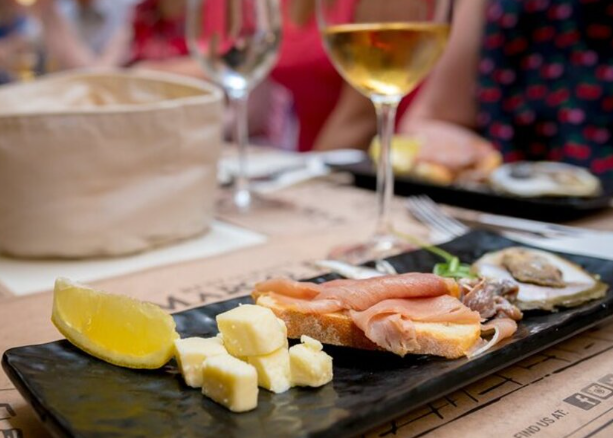
Croatia is known for its stunning landscapes and rich cultural heritage, and its cuisine is no exception. With a range of cooking classes available, traveling food enthusiasts have the perfect opportunity to dive into Croatian culinary traditions. Here’s a guide to help you navigate the best options for cooking classes in Croatia.
1. Popular Cooking Classes in Major Cities
When visiting Croatia, major cities like Zagreb, Split, and Dubrovnik offer a myriad of cooking classes that cater to various skill levels. In Zagreb, you can find classes that focus on traditional dishes like “štrukli” and “peka,” allowing a hands-on experience to make these favorites. Meanwhile, Dubrovnik’s cooking classes often include a tour of the local market, followed by a cooking session that highlights the coastal flavors of the Adriatic Sea.
Split, on the other hand, offers classes that encompass local seafood dishes, showcasing how to prepare fresh fish caught from the nearby waters. Each class often culminates in a delightful meal that participants can enjoy, providing not just culinary skills but also the satisfaction of sharing a meal like a true local.
-
- Research classes in your chosen city before booking.
-
- Consider classes that include market tours for a comprehensive experience.
-
- Ask about dietary accommodations if you have restrictions.
-
- Look for classes with small group sizes for personalized attention.
2. Unique Culinary Experiences Beyond Traditional Classes
For those looking for something different, consider unique culinary experiences such as olive oil tasting or wine pairing classes. Croatia is renowned for its olive oil production, particularly in regions like Istria. These classes typically include visits to local olive groves where you can learn about the production process from tree to table.
In addition to olive oil, Croatian wine is gaining international acclaim, particularly varieties from regions like Slavonia and the Pelješac peninsula. Some classes incorporate wine tasting alongside cooking, allowing participants to discover food pairings that enhance the flavors of both the dish and the wine. This multifaceted approach offers an enriched understanding of Croatian gastronomy.
-
- Combine cooking classes with wine or olive oil tastings.
-
- Explore regional specialties based on where you are in Croatia.
-
- Ask locals for recommendations on the best producers.
-
- Look for classes that offer hands-on activities like foraging for herbs.
3. Seasonal Cooking Classes and Food Festivals
Seasonal cooking classes can provide a rich, immersive experience as they often highlight the best local produce available at the time. Participants can expect to learn how to cook using fresh, seasonal ingredients such as asparagus in spring or truffles in autumn. Many local festivals in Croatia celebrate these ingredients, often accompanied by special cooking workshops that coincide with the festivities.
Moreover, food festivals provide a sensational backdrop where aspiring chefs can interact with local chefs and learn about traditional preparation methods. For example, the Festival of St. Lawrence in the town of Vrsar features seafood cooking classes during the summer, showcasing dishes made with the freshest catches.
-
- Check local calendars for food festivals during your visit.
-
- Participate in classes that use seasonal ingredients.
-
- Be flexible with dates to align with specific festivals.
-
- Engage with locals for authentic recipes and cooking tips.
4. Culinary Tours Combined with Cooking Classes
Culinary tours that combine sightseeing with cooking classes can enrich your travel experience in Croatia significantly. These tours often start with exploring local markets where travelers can pick fresh ingredients. After purchasing their goods, participants head to a cooking venue and learn to prepare dishes using the ingredients they selected.
Such tours can provide insight into not just the culinary techniques but also the cultural significance of certain dishes within Croatian society. Engaging with local chefs and vendors adds an authentic touch that purely hands-on classes may lack.
-
- Choose tours that include both market visits and cooking sessions.
-
- Be mindful of the timing to maximize your experience.
-
- Ask questions during the tour to deepen your knowledge.
-
- Document your journey with photos to remember the experience.
5. Tips for a Successful Cooking Class Experience
To make the most out of your cooking class experience in Croatia, come prepared and open to learning. Many classes recommend arriving with an appetite while keeping expectations realistic about the outcomes. Cooking in a different culture can come with unexpected twists, but the joy is in the experience itself.
Additionally, take the time to interact with both your instructors and fellow participants. Sharing stories and techniques can lead to wonderful exchanges that enhance everyone’s culinary skills. Most importantly, enjoy the process and savor the memories created with each dish you make!
-
- Arrive hungry and ready to learn.
-
- Engage with instructors for the best tips and tricks.
-
- Try to take notes or photographs for future reference.
-
- Connect with fellow participants for shared experiences.
In conclusion, diving into Croatia’s culinary scene through cooking classes offers an enriching experience that combines culture, flavor, and hands-on learning. Whether you’re a culinary novice or an experienced chef, exploring these programs could be a delightful addition to your travel itinerary. Don’t hesitate to book a class and embark on a delicious journey through Croatian cuisine!