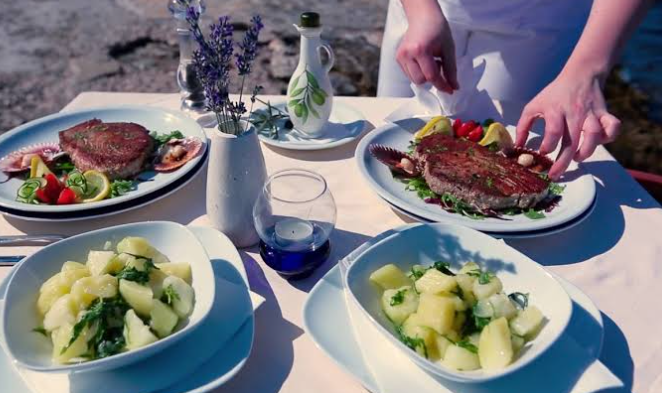
Experience the rich tapestry of Croatian cuisine by embarking on a culinary tour that explores its diverse flavors and traditions. From fresh seafood on the coast to hearty fare in the inland regions, Croatia offers a unique culinary adventure that reflects its natural bounty and cultural influences.
1. Discover Coastal Delights
The Adriatic coast is famous for its mouthwatering seafood, as the region boasts an abundance of fish and shellfish. Local delicacies like octopus salad, grilled sardines, and black risotto made with cuttlefish ink are just a few dishes that tantalize the taste buds. The coastal towns, such as Dubrovnik and Split, often feature open-air markets where fresh catches are brought in daily, allowing visitors to taste the ocean’s offering.
When indulging in coastal cuisine, don’t forget to pair your meal with a glass of local white wine, like Malvasija or Pošip. These wines beautifully complement seafood dishes, enhancing the overall dining experience. Many coastal restaurants focus on sustainability, sourcing their ingredients locally, ensuring you enjoy dishes that are both fresh and ethically prepared.
-
- Visit local fish markets for the freshest catches.
-
- Try traditional dishes like Peka, a slow-cooked meal under a dome.
-
- Pair seafood with local white wines for a perfect match.
-
- Explore family-owned eateries for authentic dining experiences.
2. Savor the Heart of the Continent
The inland regions of Croatia are characterized by hearty and comforting dishes often influenced by Central European cuisine. Enriched by flavors of truffles, game meats, and rich sauces, this area showcases culinary traditions that highlight the land’s agricultural bounty. Dishes like wild boar stew and mushroom risotto are popular among locals, offering a taste of rustic Croatian life.
In cities like Zagreb, food festivals and markets create a vibrant atmosphere where visitors can sample local specialties. Don’t miss out on trying Štrukli, a savory or sweet pastry filled with cheese, baked to perfection. These inland culinary experiences provide a glimpse into Croatian heritage, celebrating seasonal ingredients and traditional cooking techniques.
-
- Attend local food festivals for a wide variety of flavors.
-
- Explore farmer’s markets for fresh produce and local cheeses.
-
- Ask locals for their favorite traditional recipes.
-
- Try out regional desserts such as Medenjak or Paprenjak.
3. Culinary Workshops and Tasting Tours
Taking part in culinary workshops and tasting tours can elevate your experience in Croatia. These hands-on experiences allow you to dive deeper into the culinary world through cooking classes and guided tastings. Learning how to prepare traditional dishes alongside local chefs not only enriches your culinary skills but also creates lasting memories.
Tasting tours often include visits to vineyards, olive oil mills, and local farms, providing a comprehensive understanding of Croatian agriculture and food production. For example, you might partake in an olive oil tasting that teaches you how to discern quality oil while sampling various types paired with local breads. This immersive approach helps you appreciate the passion behind Croatian cuisine.
-
- Book workshops in advance to secure your spot.
-
- Research local chefs renowned for their teaching skills.
-
- Inquire about vegan or vegetarian options if applicable.
-
- Bring a notebook to jot down recipes and cooking techniques.
4. Wine Regions and Pairing Principles
Croatia is home to several renowned wine regions, including Istria and Dalmatia, where vineyards flourish due to the Mediterranean climate. With an impressive varietal diversity, Croatian wines often reflect local soil and climate conditions, offering unique tasting profiles. Signature varieties such as Plavac Mali and Teran are definite must-tries as they encapsulate the essence of Croatian terroir.
When engaging in wine tastings, consider learning about wine and food pairings to enhance your dining experiences. A local sommelier can guide you through the best combinations of Croatian dishes and wines, showcasing how various flavors complement one another. This knowledge not only enriches your culinary journey but also empowers you to recreate these pairings at home.
-
- Visit renowned wineries for guided tastings.
-
- Take notes on your favorite wines and pairings.
-
- Engage with sommeliers to deepen your understanding.
-
- Sample regional cheeses that pair well with local wines.
In conclusion, a culinary tour of Croatia presents an exciting opportunity to explore the country’s rich food culture and traditions. By diving into local flavors, engaging with chefs, and participating in workshops, you will walk away with unforgettable experiences and new culinary skills. So, embark on your Croatian gastronomic adventure today and savor every delicious moment.