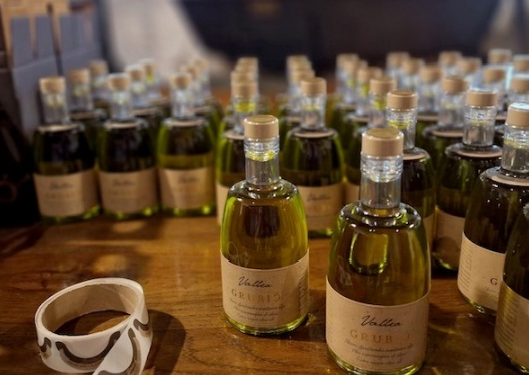
Croatia, renowned for its stunning coastline and rich history, is also home to some of the finest olive oils in the world. This guide explores the best locations, tasting experiences, and tips for making the most of your olive oil journey in this beautiful country.
1. Discovering the Olive Oil Regions
When traveling in Croatia, you’ll find that the country’s diverse geography offers various unique regions for olive oil production. Primarily, regions like Istria and Dalmatia stand out due to their ideal climate and soil conditions, promoting the growth of high-quality olives. Istria, in particular, is known for its robust oils often made from indigenous varieties like the Buza and the Moraiolo.
Dalmatia, stretching along the coast, boasts a milder climate, allowing for a different, but equally rich olive oil profile. Areas such as the Makarska Riviera and the islands of Hvar and Brač are famous for their aromatic extra virgin olive oils. Remember, each region has its unique flavors and styles, so be sure to sample oils from various locations during your visit.
-
- Plan visits to both Istria and Dalmatia for a diverse tasting experience.
-
- Research the indigenous olive varieties in each region.
-
- Attend local festivals celebrating olive oil.
-
- Consider hiring a local guide to discover hidden gems.
2. Visiting Olive Oil Mills and Tastings
One of the most enjoyable parts of your olive oil journey in Croatia will be visiting olive oil mills. Many farms offer tours that take you through the process of olive oil production, from the harvest to the milling. A hands-on experience will allow you to appreciate the effort behind each bottle and understand the nuances in flavor that come from different production techniques.
Tastings often accompany these tours, where you can sample various oils paired with local bread, cheeses, and even traditional dishes. Many mills also have shops where you can buy their products directly, ensuring you take home a true taste of Croatia. For the best experience, consider scheduling your visits during the harvest season when fresh oils are being produced.
-
- Schedule tours at multiple mills to sample diverse oils.
-
- Ask the producers about their specific harvesting and milling processes.
-
- Pair olive oil tastings with local Croatian dishes.
-
- Take notes on flavors and aromas to compare later.
3. Pairing and Cooking with Olive Oil
Understanding how to use olive oil can elevate your culinary experience in Croatia. Extra virgin olive oil is perfect for drizzling over fresh salads or enhancing the flavor of grilled fish, a Croatian staple. The oils from Istria are often fruitier, making them ideal for dipping bread or using in salad dressings, while Dalmatian oils can be more robust, complementing hearty meals.
Once you’ve selected your favorite oils, don’t hesitate to get creative in your cooking. You can use olive oil in marinades, to finish soups, or even in baking for healthier options. Learning about the right pairings can enrich your dining experience or inspire you to recreate delicious Croatian dishes at home.
-
- Experiment with olive oil in various recipes.
-
- Utilize oils as finishing touches rather than just for cooking.
-
- Consider the flavor profiles when choosing oils for specific dishes.
-
- Incorporate olive oil into your daily diet for health benefits.
4. Bringing Olive Oil Home
If you fall in love with an olive oil during your travels, you’ll undoubtedly want to take some home. Most olive oil mills provide packaging options that keep the oil safe for travel, so be sure to inquire about this when purchasing. Keep in mind that edible oils can have regulations regarding import, so check your country’s guidelines before packing them in your suitcase.
Additionally, to ensure that your oils maintain their quality, store them properly at home. Keeping them in a cool, dark place away from direct sunlight is key to preserving their distinct flavors. If you’re gifting olive oil, selecting a variety from different regions can make for a thoughtful present that tells a story of Croatia.
-
- Check with vendors about travel-friendly packaging.
-
- Be aware of import regulations for food items.
-
- Choose a variety of oils to bring home as gifts.
-
- Store oils properly to maintain freshness and flavor.
In conclusion, a culinary journey through Croatia centered on olive oil is both an enjoyable and educational experience. By exploring the regions, visiting mills, and learning how to incorporate these exquisite oils into your cooking, you can create lasting memories. So, pack your bags and get ready to savor the rich flavors and traditions of Croatian olive oil.