Traveling between the stunning Greek islands is an enchanting experience that can be easily achieved through ferry transportation. This guide will help you navigate the ferry system, ensuring you make the most of your island-hopping adventure.
1. Understanding the Ferry System
Greece boasts an extensive ferry network connecting its numerous islands, ranging from popular ones like Santorini and Mykonos to the quieter, lesser-known gems like Naxos and Koufonisia. Ferries are operated by different companies, each with its schedules and pricing structures, so it’s essential to research ahead of time. Online platforms like Ferryhopper or the official websites of ferry companies provide schedules, routes, and booking options.
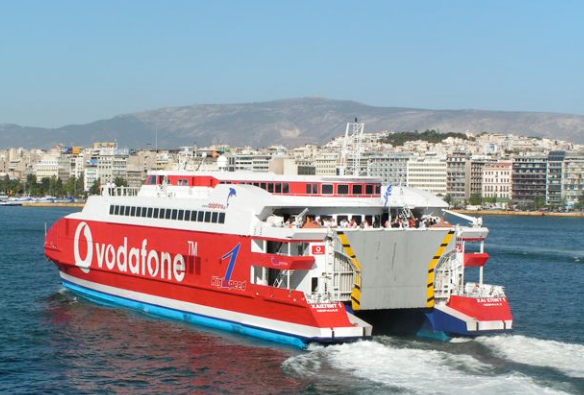
Ferries generally fall into two categories: conventional ferries and high-speed ferries. Conventional ferries are ideal for travelers with more time, as they tend to be slower but more affordable. High-speed ferries, on the other hand, offer a quicker journey but at a premium price. When planning your itinerary, be mindful of travel times and arrival/departure locations to minimize hassle.
-
- Research your route well in advance.
-
- Check different ferry companies for pricing and schedules.
-
- Consider purchasing a multi-island pass for better deals.
-
- Be prepared for changes in weather that can affect travel times.
2. Essential Tips for Booking Your Ferry
When it comes to booking your ferry tickets, timing is key. It’s advisable to book your tickets at least a few weeks in advance, especially during the peak summer months when ferries can be fully booked. Online bookings generally offer more flexibility and options, allowing you to compare prices and select your preferred travel times.
Take the time to examine your boarding options. Make sure to arrive at the port at least 30 to 60 minutes before departure. Most ferry ports can be crowded, especially in high season, so arriving early will save you stress and ensure an easy boarding process. Familiarize yourself with the layout of the port, as some are larger and may require more walking than others.
-
- Book your tickets online in advance.
-
- Arrive at the port early to avoid last-minute chaos.
-
- Check cancellation policies should your plans change.
-
- Research the ferry company’s reputation for punctuality and service.
3. What to Expect Onboard the Ferries
Ferries in Greece vary in terms of amenities depending on the type and company. Many ferries come equipped with seating areas, cafes, and sometimes even shops. On high-speed ferries, you may be seated in a designated area similar to an airplane cabin. Conventional ferries often have open deck spaces where passengers can enjoy the sea breeze and breathtaking views.
Before your trip, ensure you pack essentials such as sunscreen, sunglasses, and a light jacket for cooler sea breezes. While some ferries do have cafes that serve snacks and drinks, it’s a good idea to bring your provisions, especially for longer trips. Enjoying a picnic on deck can make for a memorable experience as you sail between islands.
-
- Pack snacks and drinks for the journey.
-
- Bring a light jacket for cooler temperatures.
-
- Charge your devices before boarding; some ferries have limited outlets.
-
- Take advantage of the deck space for stunning views.
4. Navigating Your Island Hopping Itinerary
Creating an island-hopping itinerary can be both exciting and overwhelming given the multitude of islands to choose from. Start with a few key islands that you wish to visit, and map out the travel routes between them. Popular itineraries often include cyclades like Santorini, Mykonos, and Paros, but don’t shy away from exploring less touristy options where you can experience local culture and breathtaking scenery.
Be mindful of the amount of time you want to spend at each destination. Some travelers prefer longer stays in fewer locations to soak in the atmosphere, while others opt for quick visits to experience multiple islands. When planning, ensure you check the ferry schedules, as some islands may have limited service, especially during off-peak times.
-
- Choose a few islands and research ferry routes between them.
-
- Allocate enough time at each destination for relaxation.
-
- Check for seasonal ferry schedules for flexibility.
-
- Consider hiring a local guide for less-visited islands.
In conclusion, ferry travel between the enchanting Greek islands can transform your vacation into an unforgettable adventure. By understanding the ferry system, booking wisely, and planning your itinerary, you can immerse yourself in the beauty and culture of Greece. Start crafting your travel plans today and get ready for the journey of a lifetime!