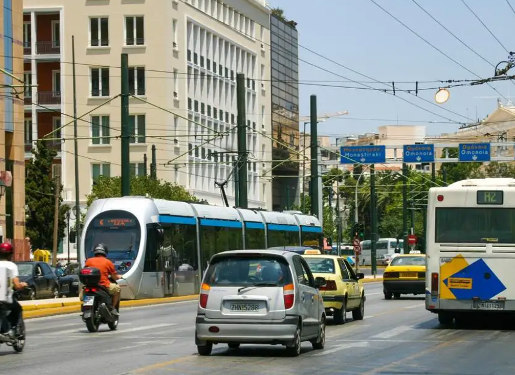
Exploring Athens can be an exhilarating endeavor, especially with its rich history and vibrant culture. Understanding the public transportation system will make navigating the city easier and more enjoyable. This guide provides all the essential information you need to traverse Athens like a local.
1. Types of Public Transportation Options
Athens offers various public transportation services, making it convenient for visitors to access different neighborhoods and attractions. The main options include the Metro, buses, and trams. The Athens Metro is particularly efficient, connecting key areas such as the airport, city center, and popular tourist sites like the Acropolis and Monastiraki Square.
Buses cover areas that the Metro may not reach, providing a broader network, while trams mainly operate along the coastal areas and connect the city to the beach. Knowing the differences between these modes will help you select the best option for your travel needs.
-
- Familiarize yourself with the Metro, bus, and tram lines.
-
- Check the operating hours; Metro runs until midnight, while buses and trams run late.
-
- Download transportation apps for real-time updates and schedules.
-
- Consider purchasing a travel pass for unlimited rides over a set period.
2. How to Purchase Tickets
Purchasing tickets for public transportation in Athens is straightforward. You can buy your tickets at ticket machines located in Metro stations or from ticket counters. Most machines accept both cash and credit/debit card payments. It’s essential to check for language options on the machines to guide you through the process smoothly.
Remember to validate your ticket at the designated machines before boarding, as inspectors frequently check for valid tickets. If caught without a ticket, fines can be hefty. For tourists, a single ticket allows for a 90-minute journey on the Metro, tram, or bus, making it an affordable choice for short trips.
-
- Always validate your ticket before using it.
-
- Consider a day-pass if planning multiple trips in one day.
-
- Keep an eye out for special tourist tickets, which may offer discounts.
-
- Make sure to keep your ticket until the end of your journey.
3. Navigating the Metro System
The Athens Metro system is one of the cleanest and safest modes of public transport in Europe. With three main lines—Line 1 (Green), Line 2 (Red), and Line 3 (Blue)—you can easily reach major destinations. Understanding the route maps is crucial; they are available at stations and online. Signage in English makes it easy for travelers to navigate.
During peak hours, the Metro can be crowded, so consider traveling during off-peak times for a more comfortable experience. It’s important to be aware of the last trains to avoid getting stranded, especially if you are enjoying a night out in the city. Keep your belongings secure as well, as pickpocketing can occur in crowded areas.
-
- Study the map beforehand to know your route.
-
- Use apps like Google Maps for real-time directions.
-
- Travel during non-peak hours for a more enjoyable ride.
-
- Watch for announcements related to delays or changes in service.
4. Best Practices While Using Buses and Trams
Buses and trams complement the Metro system effectively, covering areas that other modes may not reach. Buses can be slower than the Metro due to traffic, but they offer a great opportunity to see the city. Each bus and tram route is clearly marked, and you can check schedules online or at bus stops.
When waiting for a bus or tram, be sure to stand a few feet back from the curb to stay safe. It’s also advisable to double-check the route number to ensure you get on the correct vehicle. Friendly locals are often willing to assist if you look a bit lost!
-
- Be aware of the bus and tram schedule at stops.
-
- Wait safely behind the curb until the bus arrives.
-
- Ask locals for assistance if needed; most are friendly.
-
- Consider using buses for a scenic route around the city.
5. Understanding Safety and Etiquette
Public transportation in Athens is generally safe, but like any major city, it’s important to remain vigilant. Keep your belongings close and avoid displaying valuable items. Be aware of your surroundings, particularly in crowded areas. Trust your instincts; if something feels off, it’s better to move to a different area.
When aboard a bus or train, it’s courteous to offer your seat to the elderly, pregnant women, or anyone in need. Keep conversations at a reasonable volume, as public transport is a shared space. Practicing a bit of local courtesy goes a long way in creating a pleasant atmosphere.
-
- Stay alert and keep your belongings secure.
-
- Offer your seat to those who may need it more.
-
- Keep noise levels down to respect fellow passengers.
-
- Trust your instincts and change your location if necessary.
In conclusion, Athens has a well-organized public transportation system that can greatly enhance your travel experience. With this guide, you are now equipped to explore the city with confidence and ease. Dive into your Athens adventure and make the most of this historical and beautiful city!