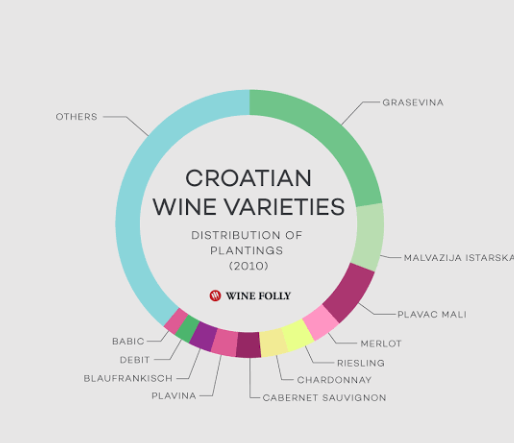
Croatia is not just known for its stunning coastline and vibrant culture; it’s also home to some of the world’s most delightful wines. With over 300 indigenous grape varieties, the country offers an impressive array of flavors and experiences for wine lovers. This blog post will explore the best wine regions in Croatia, providing insights into what makes each region unique.
1. Istria
Istria, located in the northwest of Croatia, is often regarded as the country’s premier wine region. Known for its rolling hills and fertile soil, Istria produces a variety of wines, but it is particularly famous for its Malvazija (a white wine) and Teran (a red wine). The region’s unique microclimate, influenced by both the sea and the inland hills, allows for a diverse range of grapes to flourish here.
Wine tours in Istria often include visits to quaint family-owned wineries that embrace both tradition and innovation. Wineries like Kozlović and Matošević are known for their high-quality wines and stunning views. Many of these establishments also offer tastings paired with local truffles, making for a delightful culinary experience.
-
- Visit local wineries and book a tasting in advance.
-
- Try pairing Malvazija with local seafood dishes.
-
- Look for wineries that offer tours of their vineyards.
-
- Sample Teran with traditional Istrian meat dishes.
2. Dalmatia
Dalmatia, the sunniest region of Croatia, is renowned for its beautiful coastline and exceptional wine production. The vineyards here benefit from Mediterranean climatic conditions, resulting in rich and aromatic wines. The region is famous for its Plavac Mali grape, which produces robust and full-bodied red wines like Dingac and Postup, making it a must-visit for red wine enthusiasts.
Along with Plavac Mali, Dalmatia also offers stunning white wines made from varieties like Pošip and Grk. Visitors can explore the vineyards along the Pelješac Peninsula, where breathtaking scenery complements wine tasting. Wineries like Matuško and Korta Katarina provide an authentic experience, often allowing guests to taste their wines directly from the barrel.
-
- Explore wine routes to discover hidden gems.
-
- Pair Plavac Mali with grilled fish for the best experience.
-
- Visit during the grape harvest for a unique perspective.
-
- Participate in local wine festivals for a full cultural experience.
3. Slavonia
Slavonia, located in eastern Croatia, brings a different flavor to the country’s wine scene. This region is predominantly known for producing high-quality white wines, particularly from the Graševina grape. The fertile plains combined with the continental climate contribute to grapes that offer crisp, refreshing, and aromatic wines.
The wine culture in Slavonia is rich, and many vineyards focus on sustainable practices to maintain quality. Notable wineries such as Paul Hof and Ivan Dračevac deliver impressive selections of Graševina. Wine enthusiasts can also enjoy pairing these wines with Slavonian delicacies like kulen, a spicy sausage that complements the grape’s profile beautifully.
-
- Consider visiting during the grape harvest season for an immersive experience.
-
- Try pairing Graševina with local culinary specialties.
-
- Explore wine routes that showcase both modern and traditional wineries.
-
- Attend local wine competitions for a chance to taste award-winning varieties.
4. Dingač
Dingač is a small but significant wine region located on the southern slopes of the Pelješac Peninsula, renowned for its high-quality Plavac Mali wines. Characterized by steep vineyards overlooking the Adriatic Sea, the distinct terroir produces grapes with concentrated flavors and aromas. Dingač’s unique microclimate, along with its rocky soil, contributes to the intensity of the wines.
Wine enthusiasts visiting Dingač will find that wines from this region often carry distinct notes of dark berries, herbs, and Mediterranean spices. Local wineries like Miličić offer tastings with breathtaking views, showcasing the beautiful countryside. Dingač wines pair wonderfully with hearty meals, making it a perfect stop for those looking to indulge in both food and wine.
-
- Travel during the harvesting season for a more vibrant experience.
-
- Sample local seafood dishes paired with bold Dingač wines.
-
- Ask for guided tours to understand the vineyard’s history.
-
- Plan your visit during the warm months for the best experience.
In conclusion, Croatia’s wine regions offer a rich tapestry of flavors, traditions, and stunning landscapes, inviting all wine lovers to explore. Whether you’re sipping a robust Plavac Mali from Dalmatia or a refreshing Malvazija from Istria, there is much to discover. So pack your bags and embark on a delightful journey through Croatia’s vineyards!