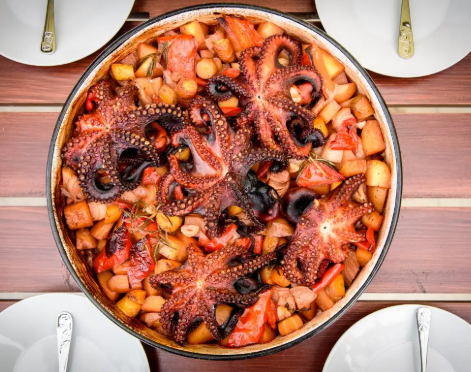
Croatia, with its rich cultural heritage and stunning landscapes, offers a unique culinary journey that reflects its history and geographical diversity. Traditional Croatian food showcases a delightful blend of Mediterranean and continental influences, making each dish a flavorful exploration of regional specialties.
1. Coastal Delights: The Influence of the Adriatic Sea
The coastal regions of Croatia are renowned for their seafood, which is often prepared simply to highlight the fresh flavors. Dishes such as grilled fish, calamari, and octopus salad dominate menus in places like Dubrovnik and Split. Olive oil, garlic, and local herbs like rosemary are frequently used to enhance these meals, providing a Mediterranean flair that speaks to the area’s maritime culture.
Moreover, a popular dish is “peka,” which involves slow-cooking meat and vegetables under a bell-like dome covered with embers. This traditional method of cooking allows flavors to meld beautifully, resulting in tender, aromatic meals that are perfect for sharing with friends and family. Croatians often accompany their seafood with a glass of local wine, particularly varieties like Malvasia or Pošip that complement the maritime flavors.
-
- Try local seafood at coastal restaurants for authentic flavors.
-
- Order a glass of Croatian wine to enhance your meal.
-
- Seek out “peka” dishes for a traditional cooking experience.
-
- Don’t miss the chance to sample fresh oysters in Ston.
2. Hearty Fare from the Interior: Meats and Stews
The interior of Croatia boasts a rich tapestry of traditional dishes that are hearty and satisfying. Influenced by Central European cuisine, this region often features meats like pork, beef, and lamb. One staple is “čobanac,” a stew made with various cuts of meat, paprika, and vegetables, simmered to perfection. This dish is served during gatherings, showcasing the communal spirit of Croatian dining.
Another iconic dish is “strukli,” which consists of thin dough filled with cheese, boiled, and sometimes baked. It can be savory or sweet, depending on the preparation, and is a beloved comfort food among Croatians. Enjoying these hearty meals often involves sharing stories and laughter, which further enriches the dining experience.
-
- Look for “čobanac” in local taverns for a flavor-packed experience.
-
- Make sure to try “strukli” in both savory and sweet versions.
-
- Pair interior dishes with a robust red wine like Plavac Mali.
-
- Visit during harvest season for special seasonal dishes.
3. Sweet Treats and Pastries: A Taste of Tradition
No exploration of Croatian cuisine would be complete without indulging in traditional sweets and pastries. “Bakalar,” a festive dish made from dried cod, is often paired with a dessert to finish meals on a sweet note. One of the most popular traditional desserts is “lenja pita,” an easily made pastry filled with apples or cottage cheese, offering a delightful balance of flavors.
Another exquisite treat is “krostule,” fried dough pastries that are flaky and dusted with powdered sugar. These are often enjoyed during celebrations and are commonly found in local bakeries. The blending of flavors and textures in Croatian sweets reflects the region’s love for culinary diversity.
-
- Don’t miss sampling “lenja pita” at local bakeries.
-
- Look for “krostule” during festivals or family gatherings.
-
- Attempt to make a simple dessert at home for a fun culinary experience.
-
- Pair your sweets with a mild coffee for the perfect afternoon treat.
In conclusion, exploring traditional Croatian food is not just about the dishes themselves; it’s about the stories and cultures intertwined with each recipe. So, grab a fork and start indulging in this rich culinary heritage. Whether near the coast or inland, there’s something delicious waiting to be discovered!