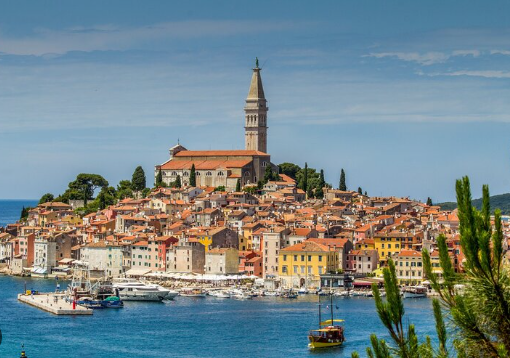
Croatia, with its stunning coastlines, vibrant culture, and enticing history, has become a top destination for digital nomads. This travel guide will offer practical tips and insights to help you navigate the enchanting landscapes while staying productive.
1. Best Cities for Digital Nomads
When considering where to set up your temporary home in Croatia, cities like Zagreb, Split, and Dubrovnik stand out. Zagreb, the capital, offers a balanced mix of modern amenities and historical charm, making it convenient for working while exploring. Split, on the Adriatic coast, not only provides beautiful beaches but also a vibrant tech scene. Dubrovnik, famous for its picturesque Old Town, may have a higher cost of living but offers breathtaking views for after-work relaxation.
Each city has its unique vibe, so it’s essential to consider your preferences. If you prefer a slower pace, Split might suit you better. On the other hand, if bustling city life with coffee shops and coworking spaces is what you’re after, Zagreb is the ideal choice. Regardless of your selection, you will find friendly locals and a growing community of fellow nomads.
-
- Research each city’s coworking spaces and cafes.
-
- Check local rental options on websites like Airbnb or Booking.com.
-
- Join digital nomad groups on Facebook or Meetup for networking opportunities.
-
- Consider transportation options to explore nearby attractions.
2. Cost of Living and Budgeting
Understanding the cost of living is crucial for any digital nomad. In general, Croatia offers a lower cost of living compared to many Western European countries. In cities like Zagreb and Split, you can expect monthly expenses ranging from €800 to €1,500, depending largely on your lifestyle. Rent can vary significantly, so make sure to budget accordingly. Shared apartments can be a cost-effective choice and allow you to meet new people.
Eating out can be affordable if you hit local konobas (restaurants) instead of tourist traps. A typical meal might cost around €10-15. Shopping at local markets for fresh produce can also help you save. Creating a budget that includes accommodation, food, and activities will help you manage your finances more effectively during your stay.
-
- Track expenses using budgeting apps like Mint or YNAB.
-
- Use local resources like fresh markets for groceries.
-
- Look for monthly rental deals instead of daily rates.
-
- Plan your outings around free or low-cost events.
3. Internet Connectivity and Coworking Spaces
Internet connectivity is vital for any digital nomad, and Croatia typically does not disappoint. Most urban areas provide reliable Wi-Fi, especially in cafes and coworking spaces. Zagreb has established itself as a hub for remote workers, with numerous coworking options like Impact Hub and Workation. Split is also catching up, offering spaces like CEE (Central European Entrepreneurs) which cater to those seeking a productive atmosphere with networking chances.
Ensure you check the internet speed before settling in a location. Some cafes may only offer slow connections, which can hinder your work. For those looking for flexibility, coworking spaces often have daily passes, making it easy to move around without long-term commitments. Local SIM cards are also an option for those who need internet on the go.
-
- Research coworking spaces beforehand and read reviews.
-
- Consider purchasing a local SIM card for added data access.
-
- Visit nearby cafes to compare Wi-Fi strengths.
-
- Network with fellow nomads in coworking spaces for collaboration.
4. Cultural Tips and Local Etiquette
Understanding the local culture in Croatia can significantly enhance your experience. Croatians are known for their warm hospitality, and a friendly greeting can go a long way. When meeting locals, a simple “Dobar dan” (Good day) or “Bok” (Hi) helps break the ice. It’s also common to engage in small talk about the weather or local events, showing interest in their culture.
Respecting local customs is important; for instance, be mindful of dress codes when visiting churches or attending cultural events. Tipping is customary, typically 10-15% in restaurants. Learning a few phrases in Croatian can also be beneficial, demonstrating that you value their language and culture.
-
- Always greet locals with a smile and a friendly “Dobar dan.”
-
- Practice basic Croatian phrases to connect better.
-
- Be respectful at cultural sites with appropriate dress.
-
- Tip in restaurants typically between 10-15%.
In conclusion, Croatia offers a fantastic environment for digital nomads looking to balance work and travel. With its diverse cities, affordable cost of living, and rich culture, you’ll find it an inviting place to thrive. Take your time to explore and immerse yourself in this stunning country while enhancing your productivity.