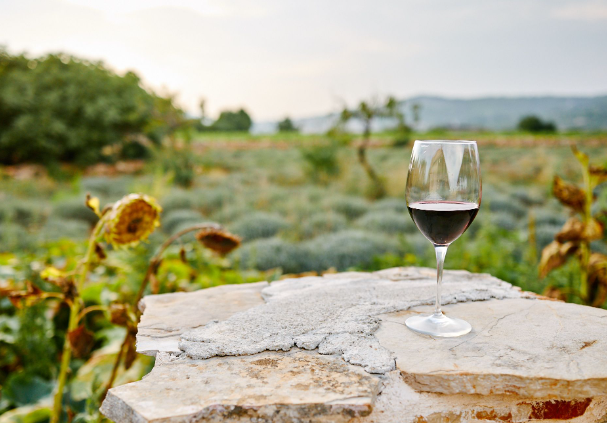
Croatian wine has been captivating palates around the globe with its distinctive flavors and rich history. As you embark on a wine-tasting journey, it’s essential to familiarize yourself with the nuances of Croatian wines, their regions, and tasting etiquette. This guide will help you navigate through the diverse landscape of Croatian viticulture.
1. Understanding Croatian Wine Regions
Croatia is home to numerous wine-producing regions, each with unique characteristics, grape varieties, and climatic conditions. The primary regions include Istria, Dalmatia, Slavonia, and the Pelješac Peninsula. Istria is celebrated for its white wines, particularly Malvasia, while Dalmatia is known for robust reds like Plavac Mali. Slavonia offers exceptional white wines, especially those made from Graševina.
Each region’s terrain plays a significant role in the flavor profile of its wines. For example, Istria’s coastal influence results in fresher, crisper whites, whereas Dalmatia’s warmer climate yields richer, fuller-bodied reds. Exploring these regions through their wines provides a gateway to understanding not just the flavors but also the culture and history of Croatia.
-
- Research the wine regions before your visit to tailor your tasting experience.
-
- Consider the local grape varieties specific to each region for a deeper understanding.
-
- Visit local wineries for guided tours to learn about the winemaking process.
-
- Pair your wine tastings with local cuisine to enhance the experience.
2. Key Croatian Grape Varieties
When tasting Croatian wine, it’s crucial to recognize the key grape varieties that define the country’s viticulture. The most notable red grape, Plavac Mali, is a descendant of Zinfandel and is renowned for its bold, fruity flavors and structured tannins. On the white wine side, Graševina shines as Croatia’s most widely planted grape, offering refreshing, aromatic wines that pair beautifully with seafood and light dishes.
Other significant grape varieties include Pošip, which hails from the island of Korčula, known for its rich and fruity characteristics, and Teran, known for its earthy undertones, commonly found in Istria. Understanding these grapes will enhance your tasting experience, allowing you to connect with the terroir and tradition behind each bottle.
-
- Familiarize yourself with the flavor profiles of different grape varieties.
-
- Try a tasting flight featuring both reds and whites to observe stylistic differences.
-
- Ask winery staff about the specific vineyards where the grapes are sourced.
-
- Pair different wines with various dishes to discover complementary flavors.
3. The Art of Wine Tasting
Wine tasting in Croatia is not just about sipping; it’s a multi-sensory experience. Start by observing the wine’s color and clarity, which can give clues about its age and ingredients. Swirl the wine gently in your glass; this releases its aromas, allowing you to experience its bouquet fully. Take a moment to inhale deeply before taking a sip to appreciate the complexity of scents.
When tasting, focus on the first impression the wine gives you, often termed the “attack.” Once you sip, note the wine’s body, acidity, and tannins. Flavors may evolve as the wine moves across your palate. Discussing your tasting notes with fellow tasters can lead to enriched insights and shared experiences.
-
- Use the five S’s: See, Swirl, Smell, Sip, and Savor.
-
- Take notes on each wine to remember your favorites and their characteristics.
-
- Consider the glassware; different shapes can influence your experience.
-
- Engage in discussions about wines with your group to enhance understanding.
Exploring Croatian wines means diving into a rich tapestry of flavors, histories, and local traditions. By understanding the regions, grape varieties, and tasting techniques, you’ll be equipped to enjoy your wine journey fully.
Croatian wine tasting is an adventure waiting to be explored. Whether you’re a novice or a seasoned enthusiast, this guide serves as your stepping stone to discovering the vibrant world of Croatian wines. Don’t hesitate to visit local wineries or wine bars, where friendly locals are always eager to share their knowledge. Cheers to a delightful tasting journey!