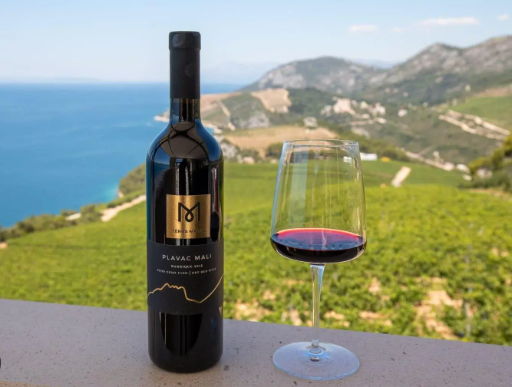
Croatia is rapidly gaining recognition as a wine destination, with its scenic vineyards and diverse grape varieties. From the coastal regions to the inland hills, the country boasts a rich winemaking history that dates back thousands of years. In this article, we’ll explore some of the best Croatian wines you should try, highlighting their unique characteristics and the regions they come from.
1. Pošip – A Gem from the Island of Korčula
Pošip is a white wine variety native to the southern Dalmatian island of Korčula. Known for its full-bodied nature and distinct minerality, this wine often exhibits aromas of ripe stone fruits, citrus zest, and floral notes. It’s typically produced in small quantities, making it a prized find for wine enthusiasts. The warm, sunny climate of Korčula, combined with its unique terroir, contributes to the wine’s distinctive flavor profile, which often has a pleasant salinity reminiscent of the nearby Adriatic Sea.
This wine pairs beautifully with seafood dishes and lighter fare, enhancing the dining experience with its refreshing acidity. Pošip is often best enjoyed chilled, allowing its complex flavors to shine. When selecting a bottle, look for varieties from established producers to ensure quality and authenticity, as some newer brands may not uphold the traditional winemaking standards.
-
- Seek out producers with a good reputation, such as Korta Katarina or Vina Korta.
-
- Pair with grilled fish, shellfish, or light pasta dishes to enhance flavors.
-
- Serve chilled, ideally between 48-54°F (9-12°C).
-
- Consider visiting Korčula for a tasting to experience the wine in its native environment.
2. Malvazija Istarska – The Taste of Istria
Malvazija Istarska is a revered white wine from the Istrian Peninsula, characterized by its bright acidity and fruity notes. This wine often features flavors of green apple, pear, and citrus, complemented by subtle herbal undertones. The Istrian climate—marked by warm Mediterranean breezes—allows these grapes to thrive, resulting in a wine that is refreshing and ideal for sipping during hot summer days.
This versatile wine is incredibly food-friendly, making it an excellent choice for Mediterranean dishes, such as risotto or grilled vegetables. Many Malvazija wines undergo a process called “sur lie” aging, which involves resting on the lees to enhance texture and flavor complexity. If you’re looking to try Malvazija, opt for bottles from respected winemakers, as they often showcase the grape’s full potential.
-
- Look for organic options for a purer representation of the grape.
-
- Pair with local cheeses and charcuterie for a delightful tasting experience.
-
- Explore different producers to find your personal favorite style.
-
- Enjoy it chilled, around 50-55°F (10-13°C), for an optimum experience.
3. Plavac Mali – The King of Red Wines
Plavac Mali is often dubbed the king of Croatian red wines, originating from the sun-kissed vineyards along the Dalmatian coast. This grape variety is a descendant of the renowned Zinfandel and is known for its robust character and rich flavors. Plavac Mali wines typically showcase a blend of dark berries, plums, and a hint of spice, with a full body and firm tannins that evolve gracefully in the bottle.
Aged versions of Plavac Mali can develop complex tertiary notes, making it a treasure for wine collectors. This red wine is ideal for pairing with hearty dishes—think grilled meats, stews, or rich pasta sauces. When choosing a bottle, explore various vintages to discover the nuances of this exceptional wine and support local wineries that maintain traditional practices.
-
- Visit local wineries, like Dingac and Postup, for tastings and direct purchases.
-
- Pair with grilled lamb or beef for a memorable dining experience.
-
- Consider decanting to enhance the wine’s flavors before serving.
-
- Store at a consistent temperature, ideally between 55-60°F (13-15°C).
4. Graševina – The Versatile White Delight
Graševina, also known as Welschriesling, is one of the most widely planted grape varieties in Croatia. This white wine is celebrated for its versatility, ranging from dry to sweet, and offers a delightful balance of acidity and fruitiness. With notes of green apple, peach, and honey, Graševina can be a refreshing choice for any occasion, making it a favorite among locals.
This wine shines best when paired with traditional Croatian dishes, such as sarmale (cabbage rolls) or fresh salads. Grapes are usually harvested early to preserve acidity, resulting in an approachable wine that everyone can enjoy. Whether you’re sipping it on a sunny terrace or pairing it with a gourmet meal, Graševina represents the heart of Croatian winemaking.
-
- Try both dry and sweet varieties to discover your personal preference.
-
- Enjoy with a variety of foods, from seafood to poultry dishes.
-
- Look for well-known producers like Kutjevo or JAZVEC that emphasize quality.
-
- Serve at 47-52°F (8-11°C) for optimal freshness.
In conclusion, Croatia’s wine landscape is as diverse as its culture, offering something for every palate. From the crisp whites of Pošip and Malvazija Istarska to the bold depths of Plavac Mali and the appealing Graševina, each bottle tells a unique story. So why not embark on a Croatian wine journey today? Explore local wineries, participate in tastings, and expand your palate with these exceptional wines.