Croatia is not just a feast for the eyes with its stunning coastline and historic cities; it’s also a paradise for food and wine lovers. Discovering the culinary treasures of this beautiful country involves exploring regional dishes and sampling fine wines that reflect its rich heritage.
1. Savory Dishes of the Istrian Peninsula
The Istrian Peninsula is renowned for its exceptional cuisine, which marries Mediterranean and Central European flavors. Olive oil, truffles, and fresh seafood take center stage, making this region a culinary hotspot. When in Istria, don’t miss trying dishes like fuži (a hand-rolled pasta) with truffle sauce or fresh seafood grilled to perfection.
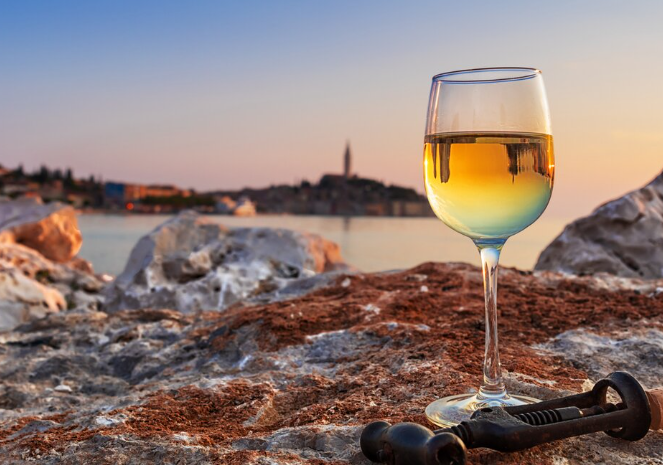
Pair your meal with local wines like Malvazija, a refreshing white that complements seafood wonderfully. Many family-run konobas offer authentic experiences where you can engage with locals, enjoy their hospitality, and learn about their traditional cooking methods.
-
- Try a truffle hunting tour to experience this unique culinary treasure.
-
- Book a table in a konoba for an authentic dining experience.
-
- Sample local cheeses and cured meats to complement your wine selection.
-
- Don’t miss the fresh olive oil tasting—an essential Istrian experience.
2. The Dalmatian Delight: Coastal Cuisine
Dalmatia, known for its picturesque coastline, also boasts a vibrant food scene that heavily incorporates fresh ingredients from the Adriatic Sea. Here, seafood is king, with dishes like brodetto (fish stew) and grilled calamari reigning supreme. The way seafood is prepared often reflects local traditions, adding unique flavors and techniques that vary from one town to another.
No visit to Dalmatia is complete without exploring the local markets, where fresh catches are sold daily. Pair your meal with a glass of Plavac Mali, a full-bodied red wine known for its rich fruit flavors and deeper notes, perfect for complementing hearty meat dishes or rich seafood recipes.
-
- Visit local fish markets for the freshest ingredients.
-
- Sign up for a cooking class to learn how to prepare traditional Dalmatian dishes.
-
- Paddle out to local islands for fresh seafood by the shore.
-
- Enjoy a sunset dinner overlooking the sea to enhance the culinary experience.
3. Wine Regions to Explore
Croatia is home to several wine regions, each producing unique varietals that reflect the country’s diverse geography and climate. The vineyard-filled hills of Slavonia are particularly known for their white wines, especially Graševina, which has a crisp, refreshing quality. Meanwhile, the Pelješac Peninsula is famous for its robust reds, particularly the Plavac Mali grape.
Consider joining a wine tour that takes you through some of the best vineyards. Many of them offer tastings and cella tours, which allow you to understand the winemaking process. Additionally, pairing local wines with food from the region truly enhances the gastronomical experience.
-
- Research wine tours that focus on your preference, be it reds or whites.
-
- Don’t hesitate to ask local winemakers about food pairings for their wines.
-
- Take note of the regions’ signature wines to bring home as souvenirs.
-
- Consider visiting a local cellars for a more intimate experience.
4. Cultural Cravings: Street Food and Market Delights
Exploring Croatia’s food scene wouldn’t be complete without indulging in hearty street food and vibrant market offerings. In cities like Zagreb and Split, street stands serve up local favorites such as Štrukli (cheese pastries) and Čevapi (grilled minced meat). These quick bites offer a taste of everyday Croatian life.
Markets like the Dolac Market in Zagreb are perfect for experiencing the local culture. Here, you’ll find fresh produce, spices, and baked goods. Engaging with vendors can provide insights into traditional recipes and local ingredients. Grab a snack and enjoy the lively atmosphere around you.
-
- Don’t shy away from trying unusual local foods from street vendors.
-
- Bring cash, as many vendors prefer it over cards.
-
- Ask locals for their favorite street food spots for authentic finds.
-
- Consider visiting markets early in the day for the best selection.
5. Culinary Festivals and Events
Croatia hosts numerous food and wine festivals throughout the year, showcasing its culinary diversity. Events like the Dubrovnik Good Food Festival or the Istria Wine and Olive Oil Festival allow travelers to mingle with local chefs, taste various specialties, and even attend workshops. These gatherings provide an enriching experience where culture intertwines with cuisine.
Joining a festival can elevate your Croatian journey, making it interactive and more memorable. Don’t miss out on the chance to learn about traditional cooking techniques and sample dishes prepared by renowned chefs. Each festival brings its unique flair, ensuring every visit is a new experience.
-
- Check local event calendars before your trip to plan around festivals.
-
- Seek out cooking demonstrations and workshops for hands-on experiences.
-
- Engage with local chefs and vendors to learn more about their crafts.
-
- Bring back festival recipes to recreate the culinary magic at home.
In conclusion, a culinary journey through Croatia opens up avenues for tasting delectable dishes and fine wines that are deeply rooted in tradition. Whether you’re savoring seafood in Dalmatia or enjoying truffles in Istria, every bite tells a story. Start planning your itinerary to embrace the flavors and experiences that Croatia has to offer!