The history of Disney theme parks began in the 1950s. From the first Disneyland in California, USA, to six resorts across North America, Europe, and Asia, Disney gradually transformed the traditional amusement park business model, integrating animated stories, architectural design, entertainment facilities, and immersive experiences. Understanding the development of Disney theme parks not only helps us understand the evolution of the global theme park industry but also helps visitors appreciate the historical background and characteristics of different Disney parks.
1. The Birth of the World’s First Disneyland
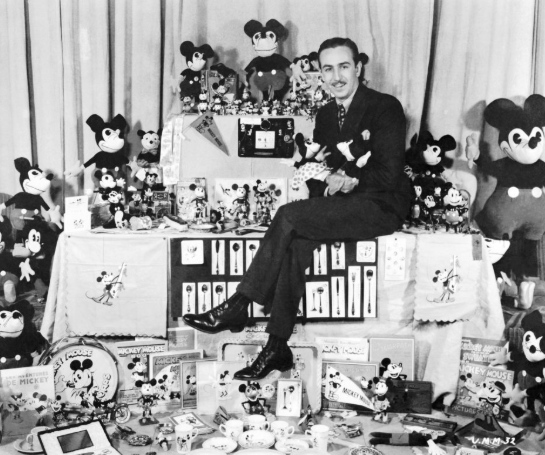
Walt Disney envisioned a place where children and adults could enjoy entertainment together. Unlike traditional amusement parks at the time, his envisioned park required a complete story background, a clean environment, and entertainment spaces with a unified theme.
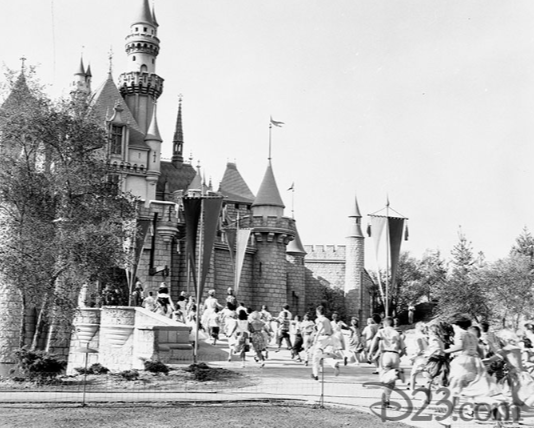
On July 17, 1955, the world’s first Disneyland opened in Anaheim, California, USA, and officially opened to the public the following day.
The park initially featured themed areas such as Main Street, U.S.A., Adventureland, Frontierland, Fantasyland, and Tomorrowland. Sleeping Beauty Castle became the park’s iconic landmark, while the architecture, music, landscapes, and rides in different areas combined to create an immersive tourist experience.
This story-centric design concept laid an important foundation for the development of modern theme parks.
2. The Establishment of Walt Disney World
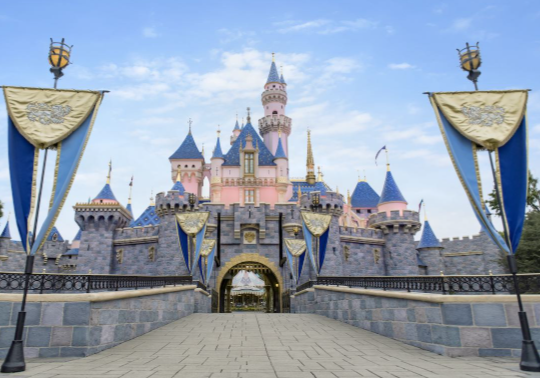
Following the success of Disneyland in California, Walt Disney began planning larger-scale entertainment projects, hoping to create an integrated resort combining theme parks, hotels, transportation systems, and leisure facilities.
On October 1, 1971, Walt Disney World, located in Florida, USA, officially opened. Although Walt Disney had passed away in 1966, his brother Roy Disney continued to drive the project’s development.
Subsequently, the resort opened Epcot (1982), Disney’s Hollywood Studios (1989), and Disney’s Animal Kingdom (1998).
These theme parks revolved around fairy tales, technology and world culture, film and television entertainment, and natural ecology, respectively, transforming Walt Disney World from a single theme park into a comprehensive international tourist destination.
3. The Global Expansion of Disney Theme Parks
In 1983, Tokyo Disneyland officially opened, becoming the first Disney theme park outside the United States. Tokyo DisneySea, which opened in 2001, further enriched the local tourism experience, featuring marine adventures and port landscapes with diverse cultural backgrounds.
In 1992, Disneyland Paris officially opened, combining classic Disney stories with European architectural styles, becoming a major family travel destination in France.
In 2005, Hong Kong Disneyland welcomed its first visitors. In 2016, Shanghai Disneyland officially opened, further expanding Disney’s influence in the Asian tourism market.
While Disney parks around the world share classic characters and stories, they each possess their own unique characteristics in terms of architectural style, themed areas, entertainment, and cultural elements.
4. How Do Classic Landmarks Record the History of Disney Parks?
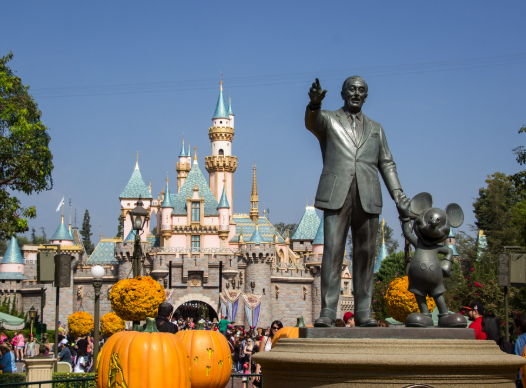
Many buildings, fountains, and monumental artworks within Disney theme parks record the park’s development history and the cultural influence of classic animations.
For example, the Snow White Grotto at Disneyland in California, opened in 1961, recreates the fairytale of Snow White and the Seven Dwarfs. The Partners Statue, unveiled in 1993, commemorates Disney’s creative history with a sculpture of Walt Disney and Mickey Mouse standing hand in hand.
The Cinderella Fountain at Disneyland Paris, Gaston’s Fountain in Florida, and Woody’s image in the Toy Story themed area also demonstrate the influence of animated films from different eras on park design.
These iconic Disney Statues are not only popular photo spots for visitors but also important visual carriers for understanding Disney animation culture, character development, and the history of theme park design.
5. Modern Development of Disney Theme Parks
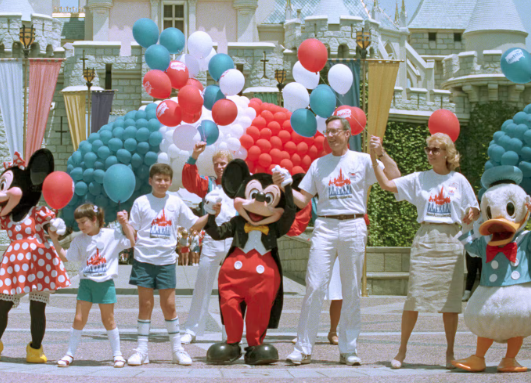
With the evolution of digital technology and tourism consumption demands, Disney theme parks continue to expand the traditional entertainment experience. Immersive themed areas, interactive rides, digital projection, and mechanical animation technologies allow visitors to engage more deeply with film stories.
From its early fairytale castles and traditional rides to themed areas like Star Wars, Avatar, Frozen, and Zootopia, Disney has consistently integrated films and television shows from different eras into its tourist attractions.
For visitors, Disneyland in California is ideal for exploring the brand and the park’s origins, Walt Disney World in Florida offers a rich and comprehensive resort experience, while Disneyland in Tokyo, Paris, Hong Kong, and Shanghai showcases the unique thematic design characteristics of each region.
Looking back at the history of Disney theme parks, we can see that their enduring appeal stems not only from the continuous updating of entertainment facilities but also from the preservation of classic stories, the integration of cultural elements, and the ever-evolving immersive tourism experiences.